

Companies including Meta, Open AI, Google, and Anthropic have scraped nearly all available data from the internet to train their AI models, and have been accused of using copyrighted material without consent. Tech companies have said it qualifies as fair use, which allows the use of such material for research and other purposes. Some countries are trying to balance the need for good data with the need to compensate creators.
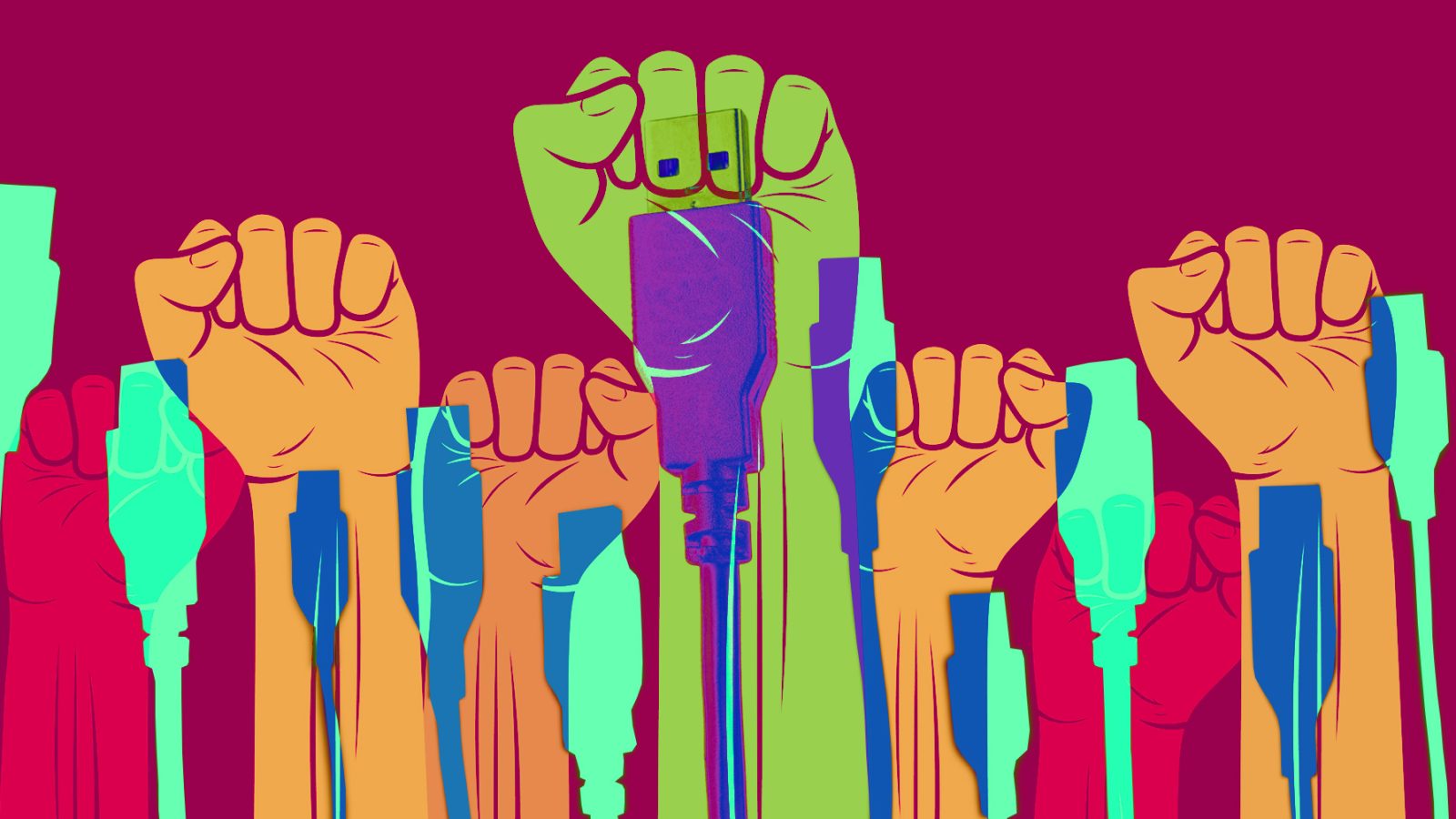
Data collectives, or cooperatives, offer a blueprint for the responsible use of data, and ensure the value goes to those generating the data, Astha Kapoor, co-founder and director of Aapti Institute, a tech research firm in India, told Rest of World.
“Beyond consent and compensation, collective action around data gives communities the opportunity to direct data towards issues they may care about,” she said. “Communities can negotiate the terms on which their data is used at every stage of the AI lifecycle [with] mechanisms for accountability and redressal, in case their terms are breached.”
Workers, producers, consumers, and others have been establishing cooperatives and other community-led associations to pool resources, share benefits, and address socioeconomic challenges for centuries. The United Nations marked 2025 as the year of cooperatives, positioning them as “essential solutions to today’s global problems,” kindling renewed interest in data collectives and cooperatives.
Shit article. Doesn’t even explain what data collectives and cooperatives look like.
But sure theyll save the world.