
For more than a quarter of a century, Texas has diligently updated its state water plan every five years, a process designed to forecast water supply and demand 50 years into the future — and give communities enough warning about potential water shortages to do something about it.
That warning matters because water projects can take years — sometimes decades — to plan, finance and build.
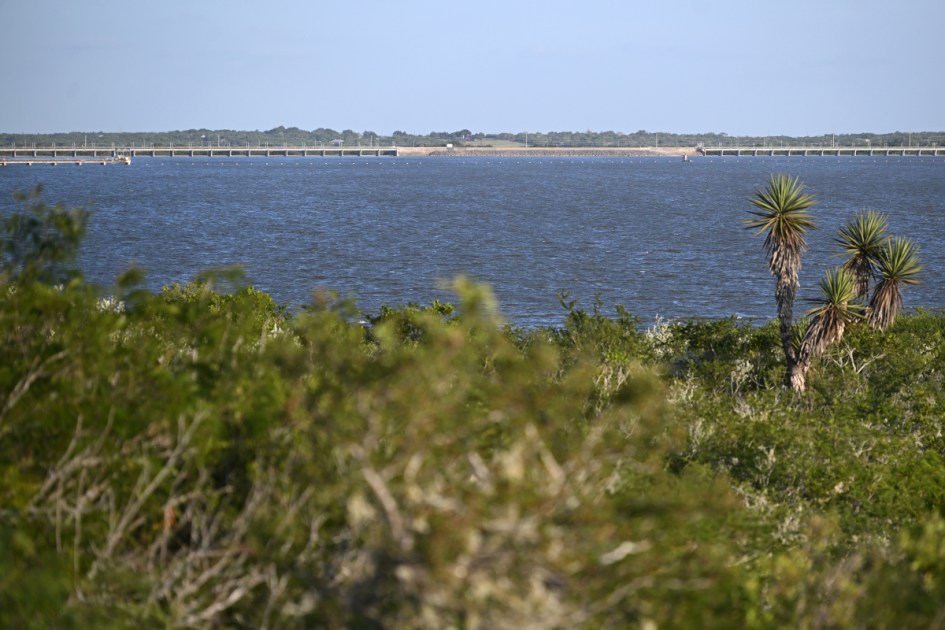
For Corpus Christi and the rest of the Coastal Bend, it never came.
That’s because the planning process is built largely around past droughts — in fact, some regional plans still rely on the epic 1950s drought of record, the longest statewide dry spell in history. But some experts now say using historical droughts isn’t working because climate change is making droughts more frequent, longer and severe — raising doubts that yesterday’s worst-case scenario is also tomorrow’s.
That means the models that help secure money and political will for new water projects may be dramatically underestimating both future water needs and how quickly communities could face shortages.
“We need to be planning and developing infrastructure for the climate of 2050, the climate of 2100,” said Benjamin Cook, a climate scientist at Columbia University who studies drought in North America.
Nowhere were the weaknesses more evident than in Corpus Christi. A report released Wednesday by Texas 2036, a nonpartisan think tank that researches the state’s long-term infrastructure, population and economic needs, found that five state water plans adopted over 25 years sent conflicting signals about whether the Coastal Bend region, which includes Corpus Christi, could face shortages in the 2020s.